

Types
Position
Layout
Case Study
#Casestudy
#DataCentre
Written by Team Axcend
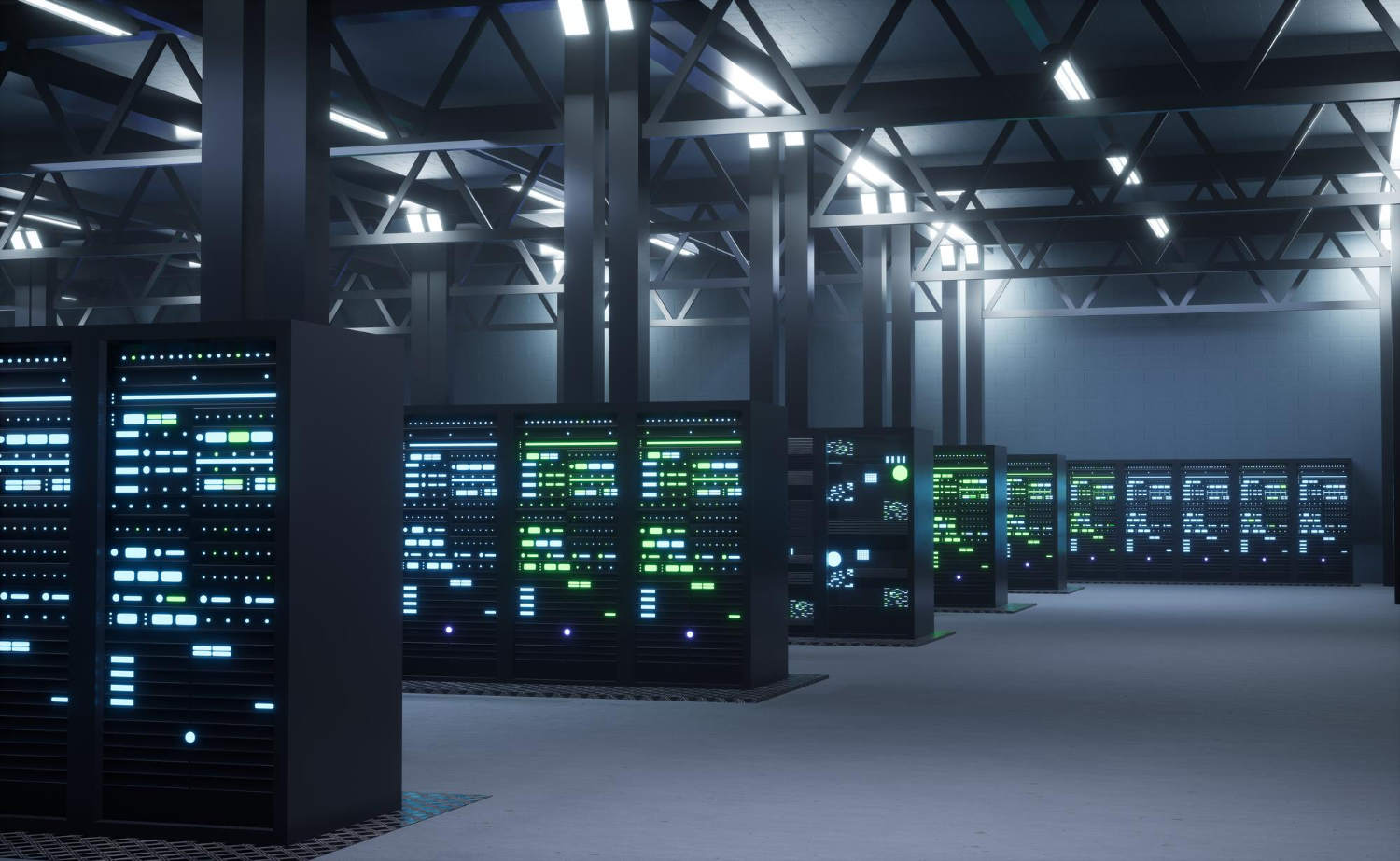
The key metric for data centers is uptime. Every system — from HVAC and UPS to batteries, switchboards, transformers, and generators — exists to ensure that operations never stop. Once a facility goes live, even minor visibility gaps can create cascading risk.
In today's AI-fuelled environment, two things matter to those operating and leasing data centers: How quickly a new facility can go live, and how confidently it can be operated once it does. In this case study, we talk about how we helped a leading System Integrator achieve both, for a major provider of data centers.
A leading multi-site data centre operator engaged a systems integrator to commission multiple new data halls across three sites in the United States. Axcend was brought in to design and implement the centralized monitoring architecture that would bring all critical systems under a single, unified view.
Greenfield projects present opportunity, but also risk.
When monitoring systems are built hall by hall without foresight, several issues arise: Navigation becomes inconsistent, screens vary in structure, expansion requires rework, operators spend time troubleshooting.
We realized this project was not simply to create screens to monitor equipment. It was to design a system that would remain intuitive as additional halls came online, could be replicated easily, reduced engineering effort, and delivered clarity during operations.
Rather than treating each data hall as an isolated implementation, Axcend designed a standardized monitoring architecture from the outset. This involved:
Each hall followed a consistent architectural framework. Layouts, naming conventions, navigation logic, and system views were designed to be repeatable. As new halls were commissioned, they could be configured within the same structure — significantly reducing engineering effort and deployment time.
In effect, what could have required fresh configuration cycles became a streamlined rollout process - leading to faster commissioning and lower incremental setup costs.
The monitoring system was structured logically:
Site → Hall → System → Device
Operators could move intuitively from a macro-level view of the facility down to specific assets — whether HVAC units, UPS systems, battery banks, switchboards, transformers, or generators. This clarity will help during operations, especially in high-pressure moments. For instance, if a power fluctuation occurs or a battery parameter deviates, an operator does not need to search across screens. The structure guides them directly to the source.
A core mantra at Axcend is ensuring solutions are actually usable by those on the shopfloor (or in this case, data center halls). Visibility or design means nothing without usability. We believe operators should spend time resolving issues, not interpreting interfaces.
We built our interface with operational reality in mind, including:
We anticipated how the system would be used before incidents potentially occurred.
Further, we deployed this on a web-based platform meaning visibility could be seen anywhere - on a 4K screen, on a mobile device, in a boardroom, or indeed a monitor screen in the data center floor.
Here, the requirement was beyond creating monitoring screens. The system had to bring critical infrastructure (HVAC, UPS systems, batteries, switchboards, transformers and generators) into a single, unified view across multiple halls and sites.
Ignition was an easy choice because the architecture needed to be flexible, scalable, hardware-agnostic and able to connect IT and OT systems seamlessly. Axcend used these strengths to design a standardized monitoring framework with repeatable layouts, consistent navigation logic and clear system hierarchies.
This allowed each new data hall to be configured within the same structure, reducing engineering effort and making future expansion easier. In other words, Ignition helped support the core requirement of the project: faster go-live today, and a monitoring architecture that could reliably stay live as the data center footprint grew.
Faster time to commission: New halls were configured more efficiently, engineering effort reduced across subsequent expansion and overall project timelines were compressed. The operator was able to bring infrastructure online quicker than anticipated.
Consistent uptime: Real-time monitoring that kept the entire system alive with optimal temperature, to ensure performance. The 24*7 monitoring ensures visibility to and faster response in the case of issues like power failures.
Complete visibility: Operators gained centralized monitoring across multiple halls and sites. Monitoring all equipment from one location became possible. Fault identification and performance analysis became simplified.
In fast-growing infrastructure environments, complexity does not appear all at once, neither is it apparent at the requirements stage. The difference between a system that works today and one that works for years lies in anticipating that complexity before it arrives, something we have spent the better part of 3 decades doing regardless of the industry or technology.
By designing a scalable monitoring architecture from the ground up, Axcend helped a major data center operator avoid future friction. In other words: Speed today, stability for tomorrow.